Why Garden City Village Lifestyle Stands Out
May 21, 2026
May 21, 2026
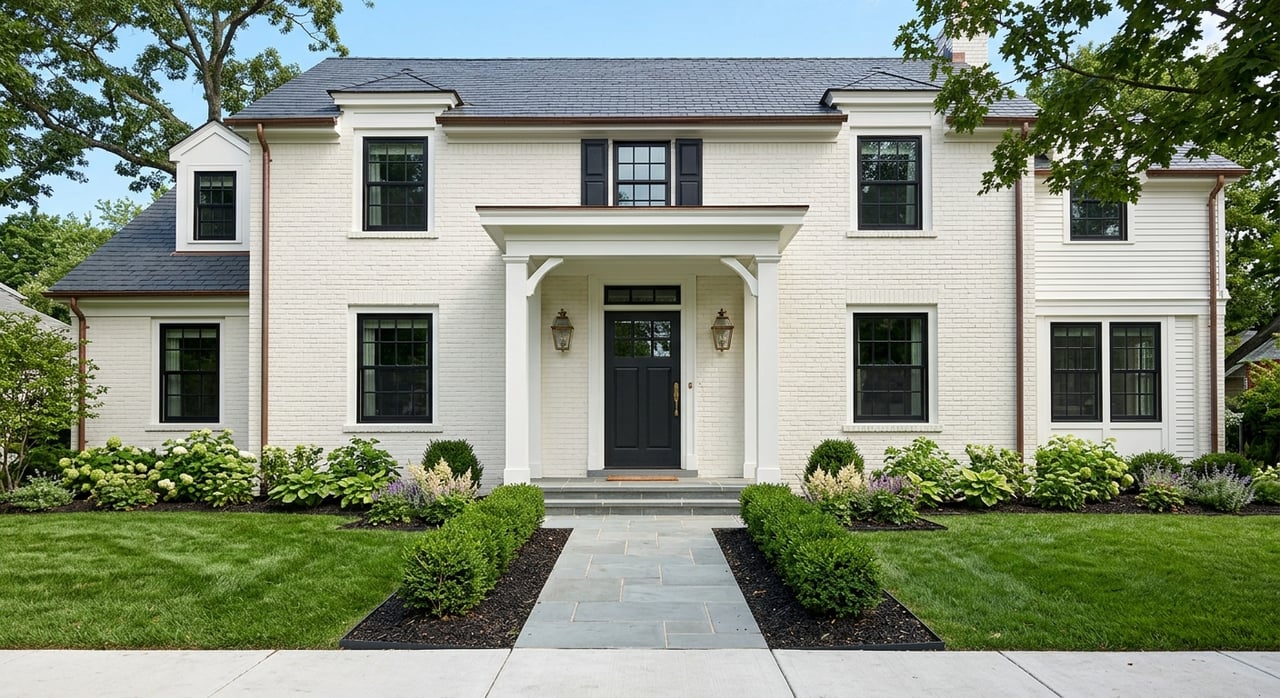
If you are looking for a Long Island village with a clear identity, Garden City stands out quickly. Some places feel pieced together over time, but Garden City still reflects the kind of planning, civic care, and everyday convenience that shape how a place feels to live in. If you are wondering what makes Garden City village living unique, the answer comes down to how its history, layout, green space, and village center all work together. Let’s dive in.
Garden City began as a planned community in 1869, and that origin still shows up in the way the village looks and functions today. According to village history, the area was developed with wide avenues, extensive tree planting, spacious lots, a hotel set on a 30-acre park, and an early railroad line.
That kind of early planning matters because it created a village with a more intentional feel. Instead of feeling scattered or overly commercial, Garden City has a sense of order and continuity that many buyers notice right away.
The village history also highlights Old Garden City as a place worth exploring on foot. That detail says a lot about the area’s character, because it suggests a layout designed to be experienced at a human scale, not just through a windshield.
One of the biggest differences in Garden City is how practical the village center feels for everyday life. Shopping, dining, civic spaces, and library access all sit close together, which helps the area feel active without feeling overwhelming.
The Garden City Chamber of Commerce organizes much of that local activity around shopping, dining, entertainment, and a central business map. Its directory shows a mix of restaurants and specialty retailers on or near Seventh Street and Franklin Avenue, including Leo’s, Pizzeria G, Coquette, J. McLaughlin, Garden City Wines and Spirits, Neptune Camera, and H. L. Gross & Bro. Jewelers.
The Garden City Public Library at 60 Seventh Street is another important anchor in the core. When you add in village meetings and community events held nearby, the center becomes more than a place to run errands. It becomes a part of daily routine.
For many buyers, that is a meaningful quality-of-life factor. You can picture stopping by the library, picking up dinner, browsing a local shop, and heading to a community event without needing to cover a large suburban stretch in between.
In Garden City, parks and public landscaping are not just background features. They are part of the village’s identity and part of how people use the community day to day.
The Recreation & Parks Department lists a wide range of amenities, including Garden City Pool, Community Park, Edgemere Park, Grove Park, Hemlock Park, Nassau Haven Park, St. Paul’s Recreation Complex, Stewart Field, the Senior Center, and Tullamore Park. That range gives the village a steady presence of open space across different parts of town.
The same department says the village plants more than 100 new trees each year and about 30,000 flower bulbs each spring across more than 35 locations. That level of upkeep helps explain why Garden City often feels polished and cared for in a visible, consistent way.
The Civic Beautification Committee adds another layer to that story. It works with the Village Arborist on the placement of flowers and trees on public properties and continues to pursue the long-term goal of making the village an official arboretum.
That effort makes landscaping feel like part of the civic mission, not just decoration. For residents, it means the tree-lined character and seasonal plantings are supported by an ongoing public commitment.
St. Paul’s is one of the most important pieces of Garden City’s open-space identity. The village says it has owned the 50-acre campus since 1992, and residents have used 40 acres of playing fields there for decades.
That kind of land in a village setting has real impact on how the community feels. It creates breathing room, supports recreation, and adds to the sense that open space is built into the local experience rather than squeezed in where possible.
Village event materials also show how actively public spaces are used. Examples include a concert on the Village Green, a puppet show at Hemlock Park, and events at Community Park, the pool, and Nassau Haven.
Taken together, those details paint a picture of a village where outdoor spaces stay relevant through regular use. They are not just nice to look at. They help shape community life.
Another part of Garden City’s appeal is access. The village’s Key Areas of Interest page says Garden City is in the middle of Nassau County and is served by five railroad stations on the Hempstead Line, including Stewart Manor, Nassau Boulevard, Garden City, and Country Life Press.
That level of rail access gives the village a practical advantage for residents who value mobility and routine convenience. It also helps reinforce the role of the center as a place that stays connected and active.
The MTA page for Garden City station notes that the station includes ramp access and ticket machines. Those details may sound simple, but they matter in everyday use and add to the village’s functional appeal.
For buyers comparing Nassau County communities, this is often part of the equation. A village can feel charming, but it also needs to work. In Garden City, the transportation network supports the lifestyle rather than competing with it.
A unique place is not just about buildings and streets. It is also about how people use them. In Garden City, recurring events help the village center feel social and lived-in rather than purely transactional.
Current village event flyers include Friday Night Promenade on Seventh Street and concerts on the Village Green. Based on those listings, the central streets and gathering spaces are used for more than shopping or commuting.
That matters because it changes the feel of the area. When public spaces regularly host community events, the village core becomes a place where people linger, gather, and return.
This is one reason Garden City often leaves a strong impression on visitors. The center feels polished, but it also feels active and used in a real way.
What makes Garden City village living unique is not one single feature. It is the combination of historic planning, a compact village center, active public spaces, rail access, and visible civic beautification.
Each piece reinforces the others. Tree-lined streets lead into a center with local shops and dining. Parks and recreation spaces sit within the rhythm of daily life. Events bring people into shared public spaces. Transit keeps the village connected.
That combination gives Garden City a character that feels both classic and practical. For buyers, sellers, and property owners watching Nassau County closely, it is a reminder that location is not just about geography. It is also about how a place functions every day.
If you are considering a move in Garden City or anywhere in Nassau County, working with a local advisor can help you understand how village character, layout, and lifestyle fit into real estate value. To talk through your options with a team that knows the local market in detail, connect with Kevin Leatherman.


At Kevin Leatherman, our clients always come first. I provide honest, professional service and uphold integrity in everything we do. Let’s work together today.