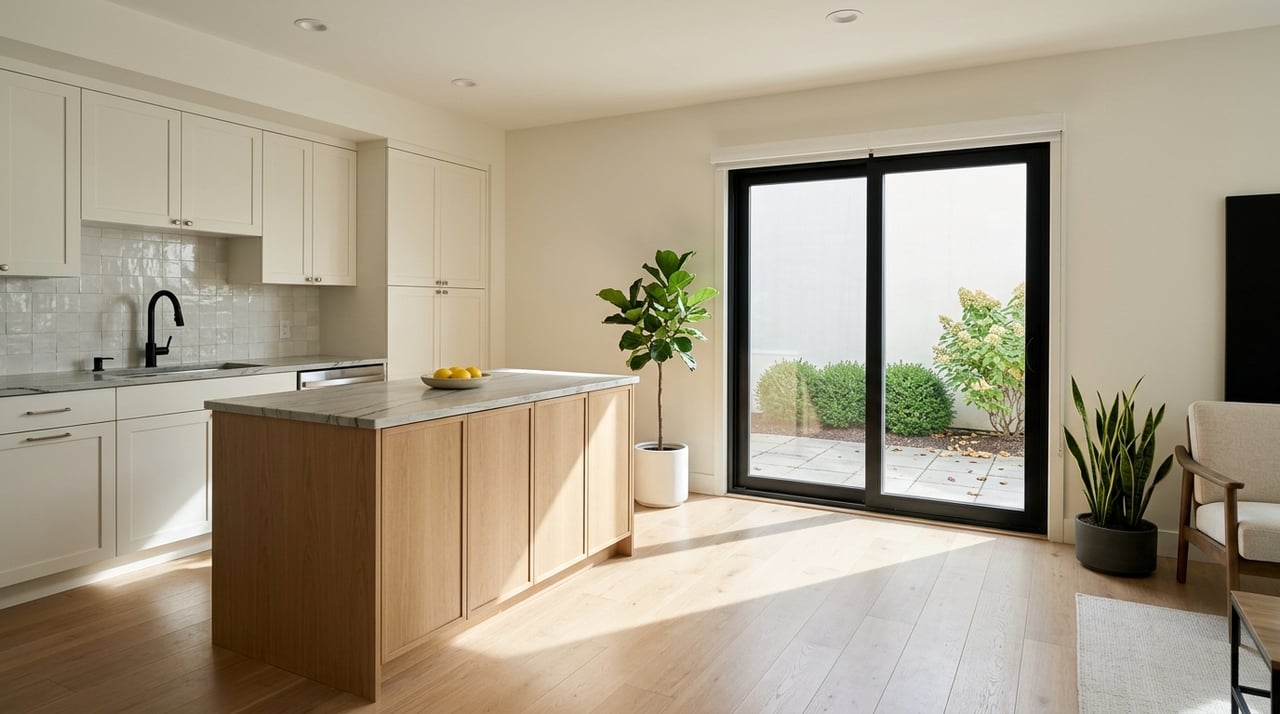
Roadmap For Downsizing From A Garden City Home
June 11, 2026
June 11, 2026
If you have lived in your Garden City home for years, downsizing can feel like a big emotional and financial crossroads. You are not just choosing a smaller space. You are deciding how to unlock equity, reduce upkeep, and move into a home that fits your next chapter with less stress. With the right plan, you can make that move in a way that protects your value and keeps the process manageable. Let’s dive in.
Downsizing in Garden City often starts from a position of strength. Census data shows a median owner-occupied home value of $1,075,900, and local market data in spring 2026 pointed even higher, with Redfin reporting a median sale price of $1.329 million and Zillow showing a typical home value of $1,358,419.
That matters because your move may be less about squeezing into less space and more about converting long-held equity into a simpler lifestyle. In a village with high owner occupancy, long tenure, and a notable share of residents age 65 and older, many homeowners are making thoughtful, plan-ahead decisions rather than rushed ones.
Just as important, the market is active but not casual. Redfin reported a 100.2% sale-to-list ratio and a median 29 days on market over the three months ending April 2026, which means buyers are still moving when homes are priced and presented well.
Before you think about listing photos or moving boxes, define what downsizing means for you. Some homeowners want less maintenance. Others want a lower monthly cost, fewer stairs, less unused space, or a location that makes day-to-day life easier.
Write down your top priorities and keep them simple. Your list might include:
This step sounds basic, but it helps you avoid a common mistake. A smaller home is not always a better fit if it creates new headaches around storage, upkeep, or monthly expenses.
Garden City homeowners often benefit from planning several months ahead. Because local values are high and homes can move quickly, you want enough time to prepare the house properly, understand likely net proceeds, and line up your next move before the sale becomes urgent.
A strong timing plan usually includes three tracks happening together. You prepare the current home, study the resale market, and evaluate replacement-home options at the same time. That creates flexibility and helps you make decisions with real numbers instead of guesswork.
One of the biggest downsizing mistakes is focusing only on the purchase price of the next home. In New York, property tax is local, and Nassau County notes that tax bills can include county, town, village or city, school, library, and special district charges.
That means your next-home decision should center on total monthly carrying cost. A lower purchase price does not always mean a lower monthly expense if taxes, common charges, insurance, or maintenance run high.
You also need a clear picture of what you will walk away with after closing. In New York outside New York City, the base state transfer tax is 0.4% and is generally paid by the seller. The 1% mansion tax generally applies to residential conveyances of $1 million or more and is generally paid by the buyer.
In Garden City, where many homes trade above that threshold, understanding these closing costs early can help you budget your move more accurately. This is where a detailed, local net sheet becomes valuable.
In a market where homes sold in a median 29 days and 42.5% sold above list, major renovation is not always the smart first move. In many cases, the better strategy is to make the home look clean, bright, and easy to understand.
That usually means focusing on practical presentation updates, not expensive remodeling. Buyers respond well when a home feels cared for, uncluttered, and ready for a smooth transaction.
Decluttering is one of the most important parts of downsizing because it helps both the sale and the move. When closets are less packed, surfaces are clearer, and rooms have a single obvious purpose, buyers can better see the layout and natural light.
It also gives you a head start on deciding what actually belongs in your next home. If you have been in your house for a long time, this part almost always takes longer than expected.
For most Garden City downsizers, the highest-value prep items are simple:
These steps can make a strong difference without the time, cost, and permit questions that often come with bigger projects.
If you are thinking about updates before listing, pause and check requirements first. The Garden City Building Department says contemplated residential work should be reviewed to determine whether a permit, inspection, or prior approval is required, including some alterations, accessory structures, and central air conditioning.
That makes permit review an early due diligence step, not an afterthought. It is usually smarter to confirm what is on record and what may need attention before you spend money or answer buyer questions.
Long-time homeowners often know every upgrade, every holiday, and every family milestone tied to the property. Buyers, however, are comparing your home to what else is available right now.
That is why pricing needs to reflect current conditions, condition level, location, and competition. With Garden City values high and inventory still limited, accurate pricing can create momentum. Overpricing can slow the process and reduce leverage, even in a healthy market.
A data-driven pricing approach is especially important for downsizers because your sale often affects the timing and affordability of your next purchase. Protecting equity is not just about asking high. It is about choosing a number that attracts serious buyers and supports a clean outcome.
Most downsizers are really choosing between three paths. Each one comes with trade-offs, so it helps to compare them side by side before you commit.
A condo or co-op can reduce exterior maintenance and simplify day-to-day living. For many homeowners, that is the main appeal.
Still, you will want to review monthly charges, parking, storage, rules, and the overall carrying cost. Lower-maintenance living only works if the full monthly picture fits your goals.
A smaller detached house may offer a middle ground. You keep more privacy and control over the property while reducing square footage and upkeep.
This can be a good fit if you still want some yard space or do not want shared walls. The trade-off is that you may still carry more maintenance responsibility than you would in an attached or managed property.
Sometimes the biggest opportunity comes from changing location, not just size. Zillow data from nearby ZIP codes showed a wide value spread as of April 30, 2026, with Garden City 11530 at $1,298,722 compared with $819,894 in 11501 and $634,163 in 11550.
That kind of gap shows how moving a short distance within Nassau County may unlock meaningful equity. If your goal is to lower your monthly burden, broaden your search and compare total carrying costs, not just square footage.
The smoothest downsizing moves happen when your sale plan and your next-home plan are coordinated from the start. If you wait too long to think about where you are going, you may feel rushed once your current home attracts interest.
Try to answer these questions early:
This is where process matters as much as marketing. A clear plan reduces the odds of making a reactive decision under pressure.
A good downsizing plan does not end when you accept an offer. Closing details still matter, especially in Nassau County, where recorded documents must be complete and accurate.
The Nassau County Clerk records deeds, mortgages, and mortgage satisfactions and computes, collects, and disburses transfer and mortgage taxes. The office also warns that documents can be rejected for missing section, block, lot, or unit information or other incomplete data.
For you, the takeaway is simple. A coordinated closing process helps prevent avoidable delays that can disrupt your move, your proceeds, or your next purchase. In a market where Garden City values often exceed $1 million, clean execution is part of protecting your equity.
If you want a simple way to think about the process, follow this order:
Downsizing is rarely one big decision. It is a chain of smaller decisions that work best when made in the right order.
If you are thinking about downsizing from a Garden City home, the best first step is a calm, local strategy built around your equity, your timeline, and your next chapter. When you want experienced, high-touch guidance through pricing, preparation, and the move itself, connect with Kevin Leatherman.



At Kevin Leatherman, our clients always come first. I provide honest, professional service and uphold integrity in everything we do. Let’s work together today.