Leave a Message

By providing your contact information to Kevin Leatherman, your personal information will be processed in accordance with Kevin Leatherman's Privacy Policy. By checking the box(es) below, you consent to receive communications regarding your real estate inquiries and related marketing and promotional updates in the manner selected by you. For SMS text messages, message frequency varies. Message and data rates may apply. You may opt out of receiving further communications from Kevin Leatherman at any time. To opt out of receiving SMS text messages, reply STOP to unsubscribe.

Thank you for your message. I will be in touch with you shortly.

Buying An Older Home In Rockville Centre

February 12, 2026

Love the character of a 1930s Colonial or a mid‑century ranch, but worry about hidden issues? You’re not alone. Older homes in Rockville Centre often deliver beautiful millwork, hardwood floors, and classic details, yet they can come with aging systems and unique South Shore conditions. In this guide, you’ll learn how to evaluate an older home with clarity, from inspections and permits to renovation planning and financing. Let’s dive in.

Older homes in Rockville Centre: what to expect

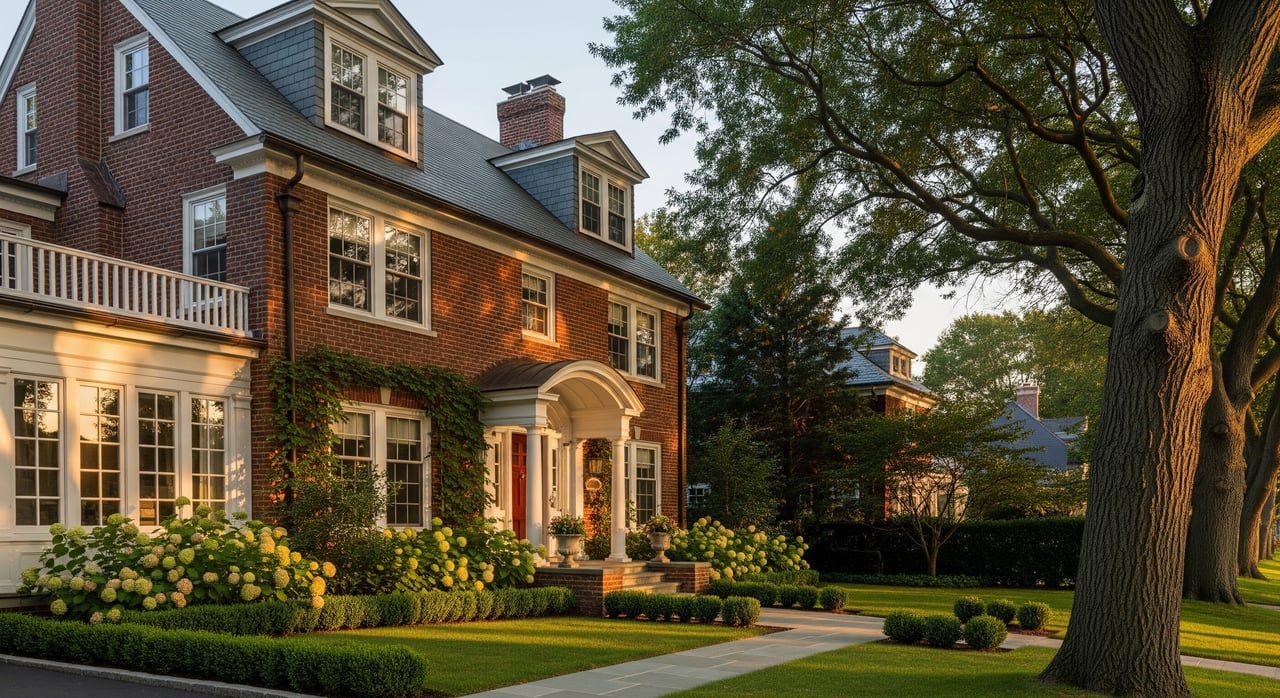
Rockville Centre offers a rich mix of pre‑war Colonials and Tudors, Cape Cods, and mid‑century ranches. Many feature original plaster walls, trim, and built‑ins that add lasting appeal. With that charm, you should plan for systems updates and careful moisture management.

Local site conditions matter. The South Shore’s higher groundwater and lower elevations increase the risk of basement dampness and storm impacts. Mature street trees are common and can affect sewer laterals or foundations. Before you fall in love, factor in water management, drainage, and utility checks.

Inspections that protect you

Core inspections to schedule

  • Full home inspection by a licensed inspector experienced with older homes.
  • Sewer lateral camera scope to spot roots, cracks, offsets, or collapse.
  • Licensed electrician evaluation if you see a fuse box, knob‑and‑tube, aluminum, or cloth‑insulated wiring.
  • Chimney and fireplace inspection, especially if there are wood, coal, or oil appliances.
  • HVAC and boiler inspection with service history review.
  • Pest inspection for termites and other wood‑destroying insects.

Specialized tests when indicated

  • Lead paint testing or risk assessment for pre‑1978 homes, especially with young children or pregnancy in the household. Federal lead disclosure applies.
  • Asbestos survey if you plan to disturb older insulation, tiles, or pipe wrap during renovation.
  • Mold or indoor air testing when there are respiratory concerns or visible growth.
  • Structural engineer review for notable foundation settlement, roof issues, or planned wall removals.
  • Drainage or geotechnical evaluation for chronically wet basements.

Why this matters

General inspectors flag visible issues. Specialty tests find concealed hazards that drive cost, safety, and insurability. Early clarity helps you set realistic budgets, negotiate repairs or credits, and keep financing on track.

Water and power: your top priorities

Older Long Island basements often show evidence of past water intrusion. Look for efflorescence, staining, musty odors, and aging or inadequate sump pumps. Confirm that grading, gutters, and downspouts move water away from the foundation. A sewer camera is the only reliable way to assess the lateral, which homeowners are typically responsible for.

Electrical systems deserve equal focus. Many older homes still have knob‑and‑tube or cloth wiring, ungrounded outlets, or small service panels (for example, 60 to 100 amps). These can be safety concerns and can affect insurance or lending. Plan for professional evaluation and, if needed, a service upgrade.

Typical findings in pre‑war and mid‑century homes

  • Foundations and structure: hairline to wider cracks, historic settlement, or the need for drainage corrections.
  • Roofs and exteriors: aging shingle, slate, or cedar roofs; flashing, chimney, and dormer repair needs.
  • Mechanical systems: older oil or gas boilers and furnaces; minimal attic insulation; single‑pane windows; drafty envelopes.
  • Plumbing: galvanized or aging supply lines, cast‑iron or clay sewer laterals prone to root intrusion, and reduced flow from old valves.
  • Hazards: possible lead paint in pre‑1978 homes, asbestos in certain older materials, and unlined or cracked chimneys.
  • Pests: termites or carpenter ants, especially where wood contacts damp soil.

Cosmetics like paint, floors, and kitchens are typically straightforward. Systems work such as electrical, plumbing, roof, foundation, and HVAC is costlier and often requires permits and licensed trades.

Permits, disclosures, and rules to know

Start with the Village of Rockville Centre Building Department and Zoning Office to review permit history, zoning district, setbacks, lot coverage, and any design or preservation requirements. Check Nassau County records for prior permits, tax data, and recorded easements. If the property could be in a flood zone, review FEMA maps and local floodplain information.

Work that alters structure, roof, electrical service, plumbing mains, heating systems, or egress typically requires permits and inspections. Cosmetic updates like paint and floor refinishing usually do not. Additions or changes of use may need final sign‑offs and a certificate of occupancy.

For homes built before 1978, federal Renovation, Repair and Painting rules apply when disturbing painted surfaces. New York requires a Property Condition Disclosure Statement in most residential sales, and pre‑1978 properties must include the federal lead pamphlet. Use these documents for context, then rely on your inspections for true risk assessment.

Lenders can require unsafe systems to be repaired before closing. Insurers may decline coverage or charge more for outdated wiring or a roof near end of life. If the home sits in a mapped flood zone, expect flood insurance requirements.

Renovation planning and budget

Prioritize the right sequence

  1. Safety and code items: electrical service, fuel safety, drainage and foundation, roof, chimney, and structural stabilization.
  2. Comfort and efficiency: HVAC upgrades, insulation and air sealing, window improvements, and plumbing replacements.
  3. Aesthetics and value: kitchens, bathrooms, restoring trim and floors, and landscaping.

Build a realistic budget

Older homes often reveal hidden conditions once work starts. Include a contingency reserve of at least 10 to 20 percent, with more for structural or hazardous‑material remediation. Get multiple written estimates for major trades, and plan the sequence so rough‑ins come before finishes.

Choose the right pros

Hire licensed, insured contractors who understand older homes and local permitting. For lead or asbestos, use certified abatement professionals. Make sure contractors pull required permits and deliver final sign‑offs. Unpermitted work can create problems for insurance, lending, and resale.

Financing options

  • Conventional mortgage plus cash savings.
  • Renovation mortgages such as FHA 203(k) or Fannie Mae HomeStyle that roll upgrades into one loan. These require lender pre‑approval and contractor bids.
  • HELOCs or home improvement loans if you already own a home and plan to renovate after closing.
  • Seller credits or escrow holds for agreed repairs, documented in the contract. Some lenders require certain safety or habitability items to be completed before closing.

ROI and what to preserve

Systems upgrades improve safety, comfort, and insurability, though they may not fully return dollar for dollar at resale. Kitchen and bath updates often drive stronger buyer appeal. Preserving original architectural features like hardwood floors, trim, and built‑ins can support value in historic communities; plan for careful restoration rather than wholesale replacement.

Practical buyer checklist

  • Order a general home inspection and add specialty scopes as indicated: sewer camera, licensed electrician, chimney, HVAC/boiler, pest, and lead or asbestos testing.
  • Confirm permit history with the Village of Rockville Centre and request copies of permits and final sign‑offs.
  • Request the New York Property Condition Disclosure Statement and ask about water intrusion, renovations, fuel type, and any prior insurance claims.
  • Get a current survey to confirm boundaries, setbacks, and easements if needed.
  • Review FEMA flood maps and local elevation history; obtain flood insurance quotes if applicable.
  • Verify utilities and fuel type, and confirm compliance for any oil storage.
  • Obtain contractor estimates for likely upgrades and include a contingency reserve.
  • Speak with your lender about any known issues that could affect financing or insurance.

The Rockville Centre advantage, with the right guide

Buying an older home here can be a smart move when you balance character with clear due diligence. A strong plan around water and power, a tight inspection game, and a realistic renovation roadmap will protect your budget and your timeline.

If you want a local partner who understands older‑home quirks, permitting, and flood and insurance realities, let’s connect. With decades of Nassau County experience and a high‑touch, process‑driven approach, Kevin Leatherman can help you find the right property and move forward with confidence.
FAQs

How serious is knob‑and‑tube wiring in older Rockville Centre homes?

  • It can function, but it is often a safety concern and may not meet insurer or lender requirements, so plan for replacement or a professional evaluation.

Do lead paint or asbestos prevent renovations in pre‑1978 homes?

  • Not necessarily; both can be managed safely with certified practices when disturbed, so test first and budget for proper abatement if needed.

Can I remove walls or alter original features in a vintage home?

  • Structural changes require evaluation by a professional and permits, and exterior work may face local design or preservation review.

How do I confirm the condition of a sewer lateral in Rockville Centre?

  • Schedule a sewer camera inspection, which is the only reliable way to assess the line; repairs are typically the homeowner’s responsibility.

Which repairs might a lender require before closing on an older home?

  • Safety and habitability items such as major electrical hazards, active leaks, or structural failures are commonly required to be addressed.

How much contingency should I set for surprises when renovating?

  • Set aside at least 10 to 20 percent of your renovation budget, and consider more for structural or hazardous‑material remediation.

Are there incentives for energy upgrades on Long Island older homes?

  • Programs sometimes offset insulation, heat pump, and efficiency upgrades; check current NYSERDA and local utility offerings for eligibility and amounts.

Work With Kevin

At Kevin Leatherman, our clients always come first. I provide honest, professional service and uphold integrity in everything we do. Let’s work together today.