How to Sell an Older Home in Merrick With Confidence
May 14, 2026
May 14, 2026
Selling an older home in Merrick can feel like balancing two goals at once. You want to highlight the character that makes your property stand out, but you also need to answer the practical questions buyers are likely to have about condition, upkeep, and paperwork. The good news is that you do not need a full renovation to make a strong impression. With the right pre-listing checklist, you can present your home as clean, well cared for, and easy to evaluate. Let’s dive in.
Merrick is a market where preparation matters. Census QuickFacts show a 96.6% owner-occupied housing unit rate, and Census Reporter data shows 7,376 housing units with a median value of $771,900 for owner-occupied homes. That kind of market tends to reward sellers who present their homes clearly and confidently.
Many homes in Merrick also date back decades, with a large share of housing in ZIP code 11566 built before 1960. That means buyers often expect older-home features, but they also look closely at maintenance, documentation, and signs of deferred upkeep. In other words, your goal is not to hide your home’s age. It is to show that the home has been cared for.
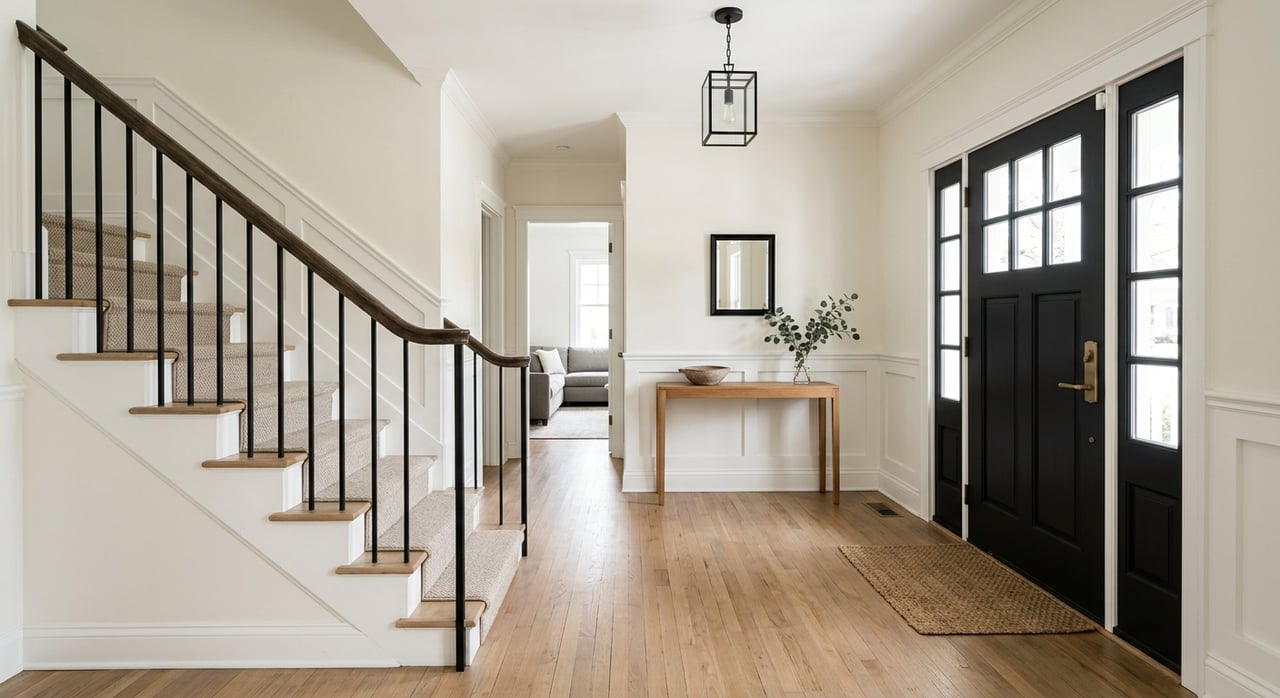
Before you think about pricing, photography, or showings, focus on the visual story of the home. Buyers notice space, light, and condition within seconds of walking in or scrolling through photos online. A home that feels open and organized is often easier for buyers to picture as their own.
Start by removing extra furniture, boxing up personal items, and clearing counters and surfaces. Deep clean the rooms that will appear in photos and tours, especially the living room, kitchen, dining room, and primary bedroom. These are the spaces buyers tend to focus on most.
The National Association of Realtors 2025 home staging survey found that 83% of buyers’ agents said staging made it easier for buyers to visualize a property as a future home. Even when sellers do not fully stage a home, many agents still recommend decluttering and fixing obvious issues first. That tells you something important: buyers respond to homes that feel simple, clean, and easy to understand.
Older homes can sometimes feel more segmented than newer layouts. You can improve flow by removing bulky furniture, opening sightlines, and making sure each room has a clear purpose. Replace burned-out light bulbs, open window treatments, and make the most of natural light.
This kind of refresh is often more effective than taking on a major pre-sale remodel. In many cases, a lighter, cleaner presentation helps buyers focus on the home’s strengths instead of its age.
You do not need to repair everything before listing, but you should handle the low-cost problems that stand out right away. Small defects can make buyers wonder what larger items have been overlooked. A short repair list now can help you avoid bigger concerns later.
Focus on the items that show up in photos, during tours, and on buyer walkthroughs:
These details may seem minor, but they affect how maintained the home feels. In an older Merrick home, visible upkeep sends a strong message that the property has been cared for over time.
If your home was built before 1978, be cautious about any last-minute painting, sanding, scraping, or carpentry. The EPA notes that renovation work in pre-1978 homes can create lead dust. That matters even for projects that seem small.
If you plan to do touch-up work before listing, use lead-safe work practices where appropriate. It is also important to remember that most buyers and renters of pre-1978 housing have the right to receive lead hazard information before signing. This is one reason it helps to think through older-home issues early instead of waiting until you are already under contract.
A well-prepared seller does more than clean and paint. You should also organize the documents that help buyers understand the home and give confidence in the transaction. This step is especially important with older properties, where questions about past work and approvals often come up quickly.
Before the listing goes live, gather as much of the following as possible:
The Town of Hempstead Building Department states that residents can use its Online Permit Center to submit permits, monitor status, request inspections, review previous permits, message staff, and print permits. The department handles building, plumbing, electrical, and housing codes. If you are unsure what was filed for past work, checking records early can help you avoid delays later.
Buyers often ask whether additions, finished spaces, updated systems, or other improvements were properly documented. If records are missing or unclear, that can create stress once offers come in. It is much better to identify any gaps before your home hits the market.
For older Merrick homes, this step can be one of the most important parts of the entire checklist. Clean paperwork supports a smoother transaction and can reduce back-and-forth once attorneys and inspectors get involved.
In New York, seller disclosures are not something to leave until the last minute. The state’s Property Condition Disclosure Statement must be delivered before the buyer signs a binding contract. Sellers answer the form based on actual knowledge.
The form asks about many issues that often come up with older homes, including the age of the structure, certificates of occupancy, floodplain or wetland status, asbestos, lead plumbing, radon, roof age, water damage, basement seepage, and other material defects. A 2023 revision also added indoor mold history.
If you know the answer, answer based on what you actually know. If you do not know, the state form instructs sellers to mark Unknown. Guessing can create problems later, especially when you are dealing with an older home that may have had many updates over the years.
There is also a timing issue. According to the state form, failing to deliver the statement on time can trigger a $500 credit to the buyer at transfer. That is another reason to start the disclosure process early and treat it as part of your pre-listing plan, not an afterthought.
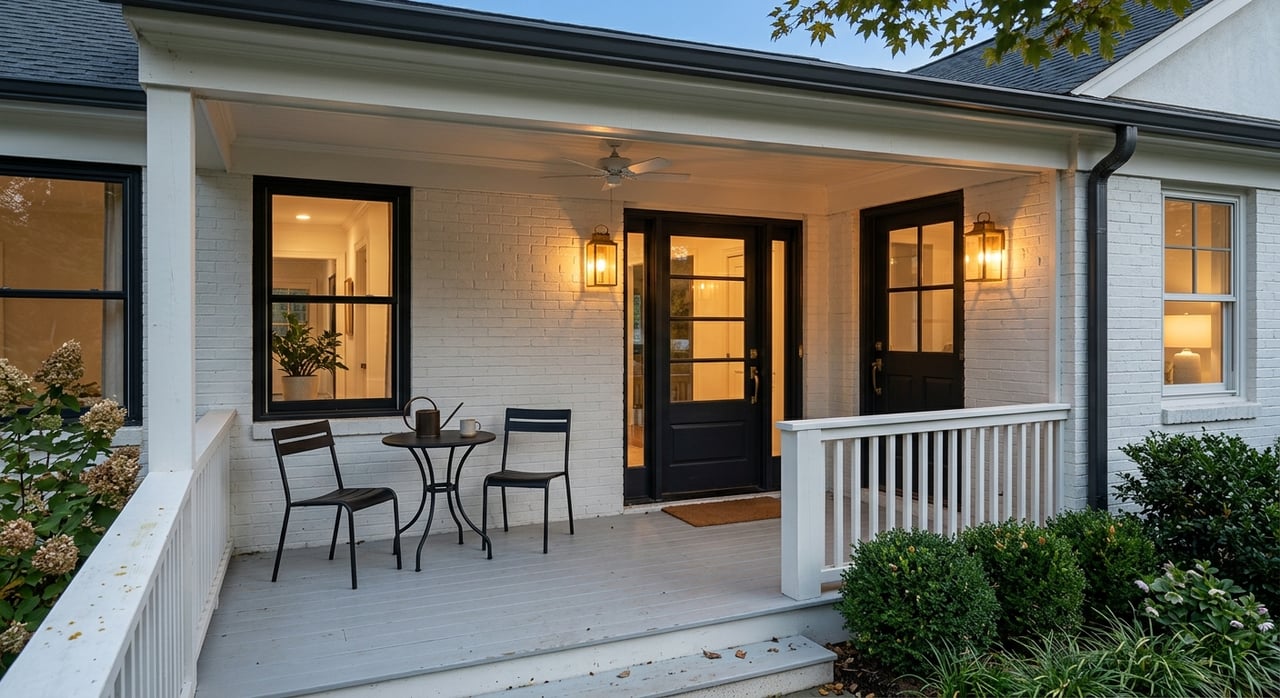
When you sell an older home, staging should support the home’s best features without trying to make it feel like brand-new construction. Buyers in Merrick are often already familiar with homes from earlier decades. What they want is a home that feels clean, functional, and well presented.
According to the National Association of Realtors 2025 staging survey, the rooms most commonly staged are the living room, primary bedroom, dining room, and kitchen. Those are also the rooms where buyers tend to form their strongest opinions.
The same survey found that 29% of sellers’ agents reported a 1% to 10% increase in the dollar value offered on staged homes, and nearly half said staging reduced time on market. You do not need to overdo it. A lighter staging approach often works best in an older Merrick home.
A practical staging plan may include:
This approach helps buyers see charm instead of clutter. It also supports professional photography, which is a major part of how your listing makes its first impression online.
For most older Merrick homes, the best plan is not a huge pre-sale overhaul. It is a focused strategy that improves presentation, handles obvious repairs, organizes documents, and gets ahead of disclosures. That approach helps buyers feel more confident about what they are seeing.
In a market with many owner-occupied homes and a large share of older housing stock, preparation can shape both buyer perception and transaction flow. If you can show that your home is clean, documented, and thoughtfully presented, you put yourself in a stronger position from day one.
If you are getting ready to sell an older home in Merrick and want a clear, local plan for pricing, prep, and marketing, reach out to Kevin Leatherman. You will get experienced guidance designed to reduce stress, solve problems early, and help your home hit the market with confidence.

At Kevin Leatherman, our clients always come first. I provide honest, professional service and uphold integrity in everything we do. Let’s work together today.