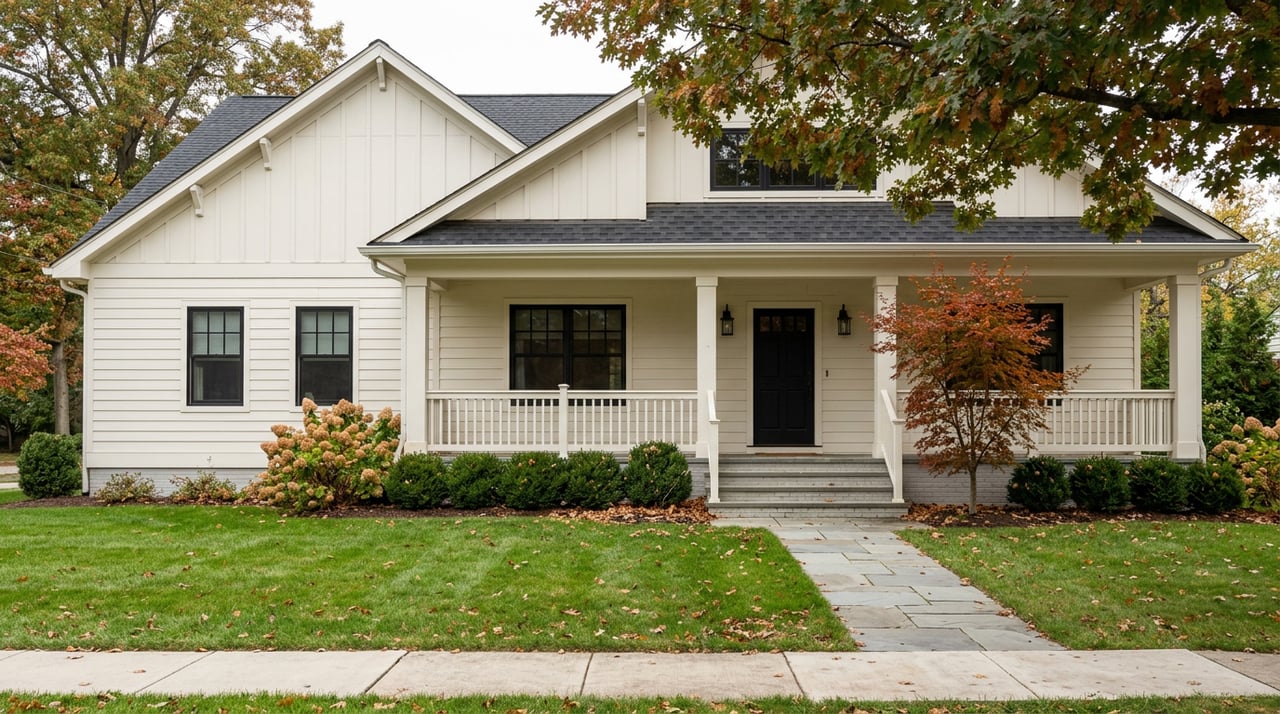
Thinking about selling your home in Rockville Centre but not sure where to start? You’re not alone. Between pricing, prep, new disclosure rules, and timing the market, it can feel like a lot. This guide gives you a clear path forward so you can plan with confidence, avoid costly missteps, and net strong results in today’s Nassau County market. Let’s dive in.
Rockville Centre market snapshot
Rockville Centre buyers include Manhattan and Queens commuters who value the Babylon Branch stop, families who want village amenities, and downsizers seeking a convenient lifestyle. The Long Island Rail Road station provides direct peak service to Penn Station, which is a major draw for many buyers. You can review schedules and station features on the MTA’s Rockville Centre page at the Rockville Centre station overview.
Home styles range from early 20th-century to mid-century houses, plus renovated properties. Price bands vary by street and proximity to downtown and transit. Public trackers often show median prices in the higher six figures to low seven figures, though numbers shift month to month. Expect days on market to move with seasonality, with many recent snapshots landing in the mid-30s to 40-plus days.
What this means for you
- The first two weeks on market are critical for showings and offers.
- Small pricing differences can change which buyers see your listing in online searches.
- Presentation matters. Clean photos, clear floor plans, and solid preparation attract commuter and family buyers quickly.
Price it right from day one
Start with a data-driven Comparative Market Analysis using recent Rockville Centre comps that match your home’s location, lot size, age, and condition. In this village, small price moves can shift your home into or out of key buyer search ranges.
Work with your agent to model two or three price strategies:
- Market-aligned pricing to meet demand and reduce time to contract.
- Slightly under market to spark multiple offers when inventory is tight.
- Aspirational pricing if your property has unique features and low direct competition.
Review likely outcomes for each path, including estimated net proceeds after commissions, transfer tax, and other closing costs. Revisit strategy once you see live showing feedback and online activity.
Prep smart: high-ROI improvements
Buyers notice clean, neutral, and well-maintained homes. Focus on updates that photograph well and reduce objections during inspections.
- Clean, neutral paint and declutter. These low-cost moves often return strong value on resale, especially in photos and showings. See a summary of high-ROI basics in this staging and prep overview.
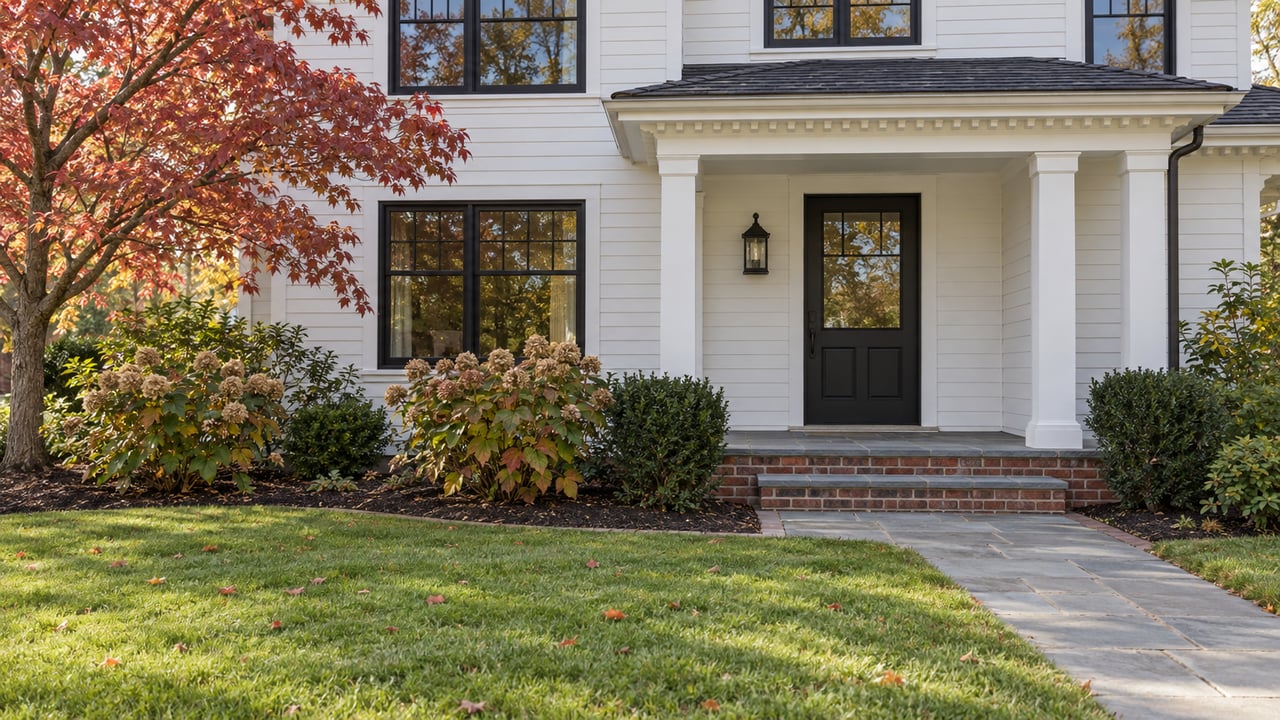
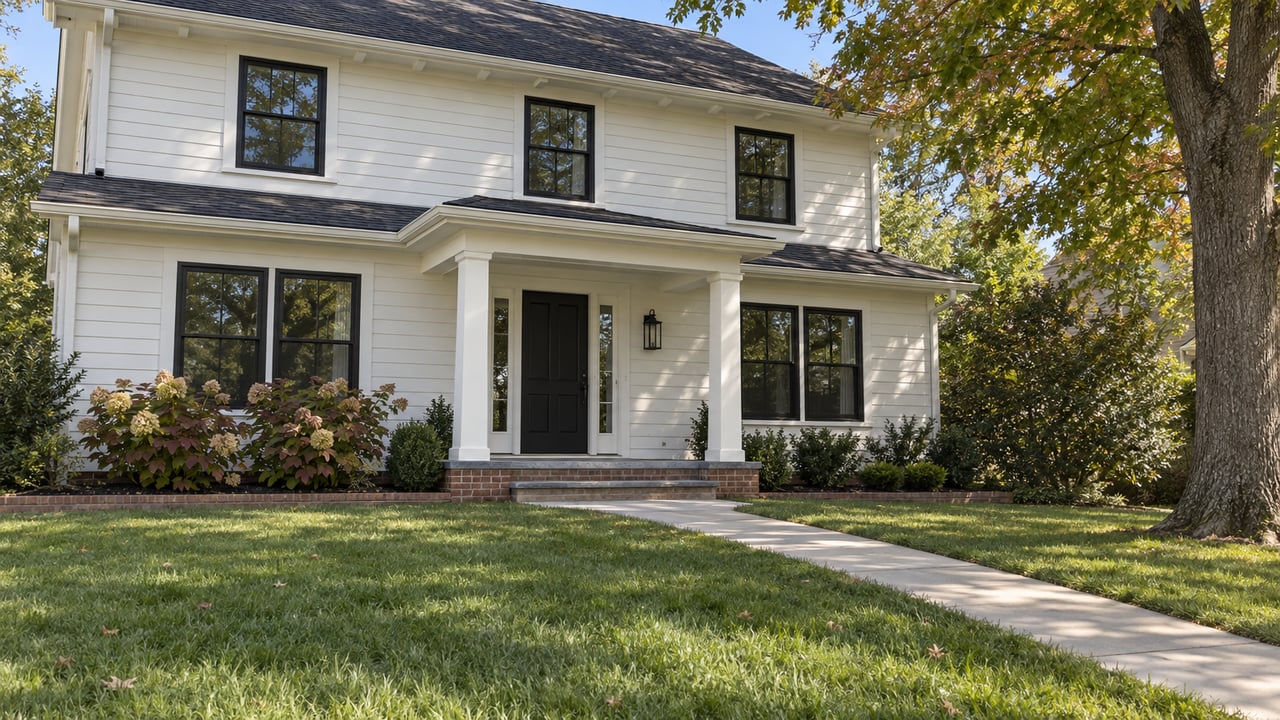
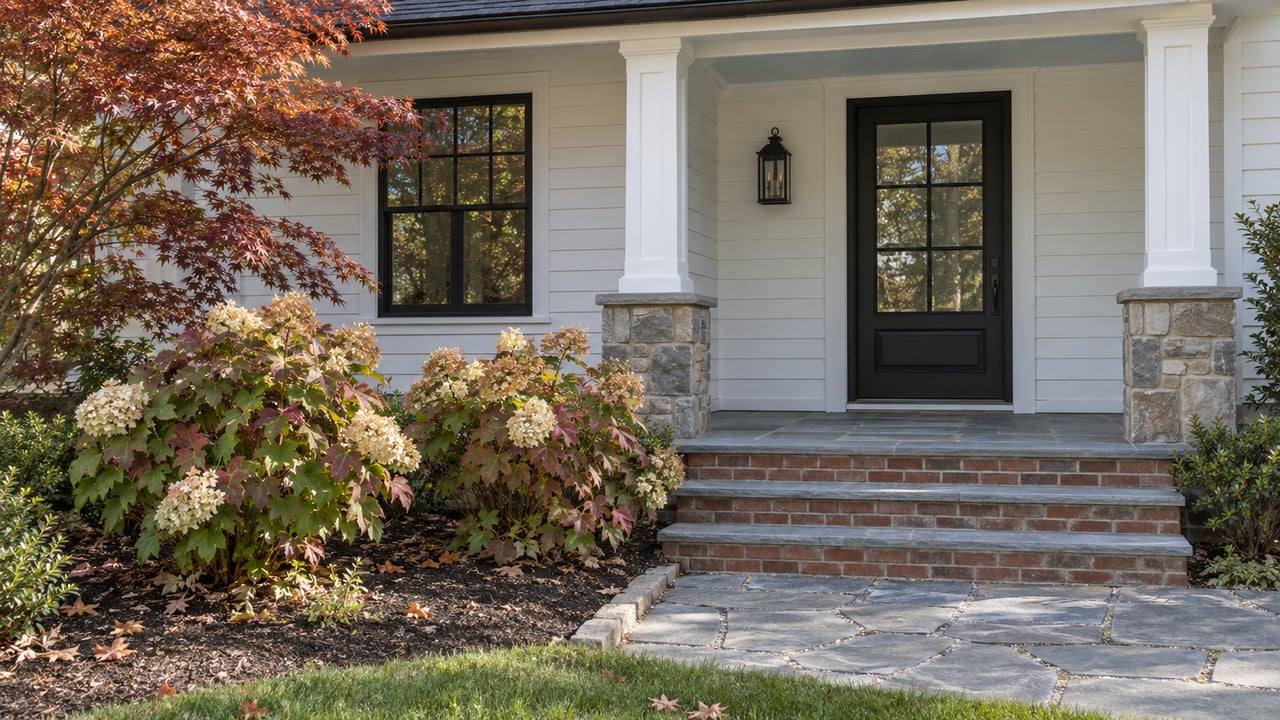
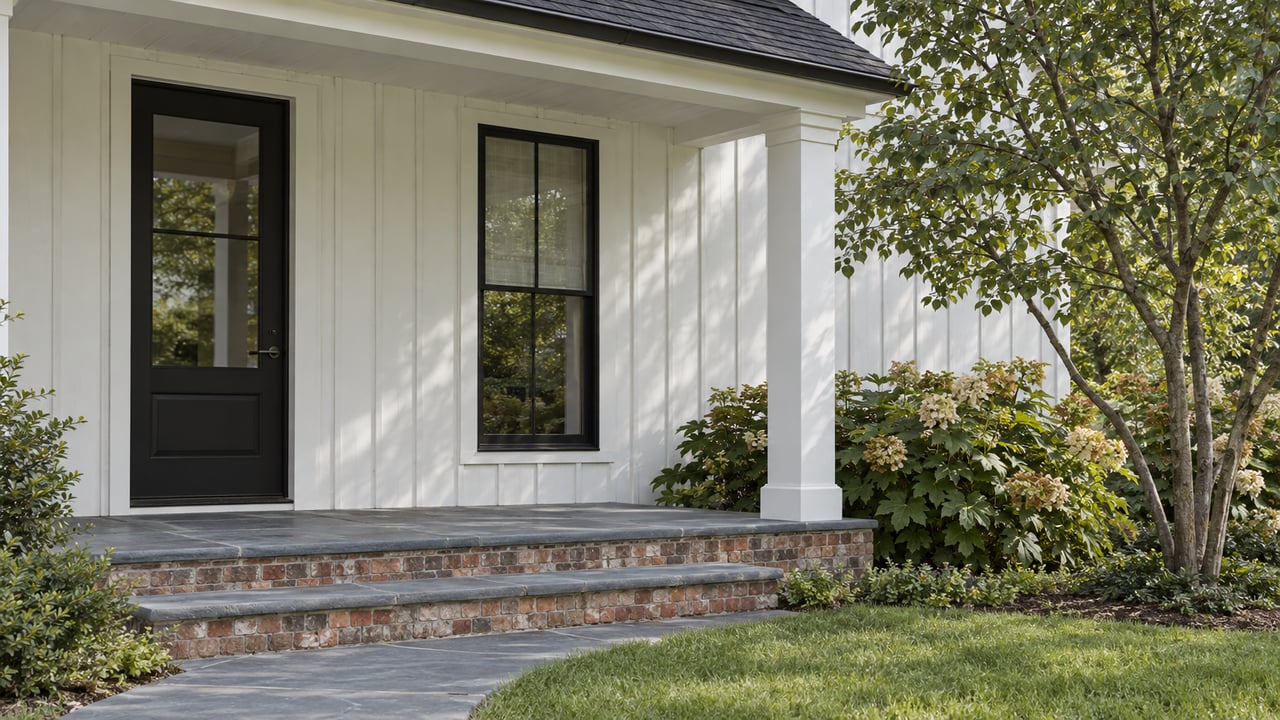
- Curb appeal. Fresh landscaping, a tidy entry, and good lighting set the tone before buyers step inside.
- Systems and safety. Fix known issues like roof leaks or HVAC problems before listing. Unresolved defects can slow or derail negotiations.
- Kitchen and bath touches. Targeted updates like hardware, lighting, or counters can go further than a full gut renovation. Avoid over-improving past neighborhood norms.
- Staging where it counts. If your home is vacant or highly personalized, consider staging key spaces like the living room, kitchen, and primary bedroom. Many case studies show staged homes sell faster and for more.
- Professional visuals. Plan for crisp photography, a clear floor plan, and a virtual tour. These assets increase online engagement and help busy commuter buyers prescreen efficiently.
Budget ranges vary by scope, but many cosmetic refreshes and minor repairs can be completed in the $1,500 to $6,000 range. Targeted kitchen or bath updates may run from $5,000 to $25,000 depending on finishes and scale. Get current local quotes before making commitments.
Legal must-knows in New York
Property Condition Disclosure Statement (PCDS)
New York requires sellers of most 1–4 family homes to complete the statutory Property Condition Disclosure Statement and deliver it to the buyer or buyer’s agent before the buyer signs a binding contract. The signed PCDS must be attached to the contract. Use the current Department of State form found here: New York PCDS form and instructions.
Recent changes removed the old $500 credit-in-lieu option and expanded questions on items like flood status and mold. The New York State Bar Association offers a plain-language overview of buyer and seller obligations at NYSBA’s guide to buying and selling real estate. Complete the form accurately and gather any supporting records before listing.
Lead-based paint disclosure
If your home was built before 1978, federal rules require you to provide buyers with the EPA/HUD lead pamphlet and disclose any known lead information. Buyers also have the right to a short inspection period for lead testing. See a summary of the rule at this lead disclosure overview.
Flood, mold, and sewer/septic items
The updated PCDS asks about FEMA floodplains, any flood insurance claims, indoor mold testing, and whether the home uses public sewer or a septic system. Collect insurance policies, prior claim records, and any testing reports ahead of time. You can reference the exact questions in the official PCDS form.
What it costs to sell
- New York State transfer tax. For homes outside New York City, the state transfer tax is generally 0.4% of the sale price. Learn more in this New York transfer tax summary. Your attorney or title company will handle the TP-584 filing. Local recording offices outline the process, as shown in this TP-584 and recording info example.
- Commissions. Historically, sellers often covered combined listing and buyer-broker compensation in the 5 to 6 percent range. Industry practices have evolved since 2024, and all commissions are negotiable. For a plain-language explainer of recent changes and norms, see this commission practices overview. Discuss services, marketing deliverables, and compensation clearly in your listing agreement.
- Routine closing costs. Budget for attorney fees, title charges, municipal search fees, and potential repair credits. Your agent should prepare a net proceeds worksheet early so you have clarity before launch.
Timeline: listing to closing
Each transaction is unique, but this framework fits most Rockville Centre sales.
1) Pre-listing (2 to 6 weeks)
- Complete a CMA and walkthrough. Decide on pricing strategy and a target list date.
- Tackle small repairs, neutral paint, and staging. Start gathering records for the PCDS.
- Schedule professional photography and a floor plan; prepare each room for photos.
2) Active listing (days 0 to offer)
- Go live on MLS with full visuals and clear property details.
- Expect most showings and feedback in the first 2 to 3 weeks if priced well.
- Review online engagement and showing notes. Adjust presentation or pricing if needed.
3) Offer and contract (up to 2 weeks)
- Select the best offer based on price, terms, financing strength, and timing.
- Deliver the PCDS before the buyer signs a binding contract and attach it to the agreement.
- Coordinate with your attorney for any fine-tuning before the contract is fully executed.
4) Under contract (typical 30 to 60 days if financed)
- Buyer completes inspections and appraisal; negotiate any inspection items.
- Title search and lender underwriting proceed. Address conditions promptly.
- Financed closings commonly land in the low to mid 40s of days, though timing varies by loan type and market. See a national timing overview at this closing-time analysis.
5) Closing day
- Final walk-through, settlement statements, transfer tax and closing cost payments, and deed recording.
- Keep digital copies of your full closing package for your records and tax planning.
Marketing that works here
In a commuter-friendly village with active online searchers, strong marketing is non-negotiable. Expect your agent to deliver:
- Data-backed pricing and a clear explanation of tradeoffs between speed and net price.
- High-resolution photography, floor plans, and a virtual tour that highlight space and light.
- A polished listing presentation that targets NYC and Long Island buyers.
- Consistent follow-up on showing feedback and market signals to inform strategy.
At Leatherman Homes, you also benefit from a boutique, high-touch process supported by a modern marketing stack. Your listing receives professional visuals and a strong web presence, while you get direct guidance from a team led by a seasoned local broker with an institutional finance background. That combination helps you avoid missteps, choose smart pricing moves, and negotiate with confidence.
Avoid common pitfalls
- Mispricing. Overpricing leads to longer days on market and lower final offers.
- Last-minute surprises. Incomplete disclosures or hidden defects can trigger credits or cancellations.
- Title or lien issues. Early checks reduce delays later.
- Over-improvement. Spending past neighborhood norms rarely returns dollar-for-dollar.
- Weak presentation. Poor visuals and limited exposure shrink your buyer pool.
Why work with Leatherman Homes
You want an experienced, locally rooted advisor who treats your sale like a mission, not a marketing exercise. With three decades of Nassau County expertise and a founder-led team, Leatherman Homes pairs analytical pricing and negotiation skills with modern marketing to deliver measurable results. We solve the details that matter on Long Island sales, from older-home quirks to flood disclosures, and keep your process calm, clear, and on track.
Ready to sell with confidence in Rockville Centre? Connect with Kevin Leatherman to map your strategy and timing.
FAQs
What is the New York Property Condition Disclosure Statement?
- It is a required form for most 1–4 family home sales that must be delivered to the buyer before they sign a binding contract, then attached to the contract; use the current Department of State version found at the official PCDS form.
How long does a typical Rockville Centre sale take from contract to close?
- Financed purchases often close in about 30 to 60 days, with national averages in the low to mid 40s of days depending on loan type and conditions; cash deals can close faster, especially when title is clear and inspections are straightforward, as summarized in this closing-time analysis.
What closing costs will I pay when selling in Rockville Centre?
- Expect the New York State transfer tax at 0.4% of the sale price outside NYC, plus attorney, title, and any negotiated credits; your attorney or title office files the TP-584 transfer-tax return, outlined in this transfer tax resource.
Do I need to stage my Rockville Centre home to sell well?
- While not required, staging key rooms and pairing that with professional photos often improves speed and price outcomes, especially for vacant or highly personalized homes; see a practical prep overview at this staging and prep guide.
What should I do before listing an older Rockville Centre home?
- Gather permits and repair records, fix known mechanical or water issues, complete the PCDS accurately with any flood or mold documentation, and review pricing scenarios with your agent so your first two weeks on market are your best two.